
 English
 русский
 Español
 عربى
عربى

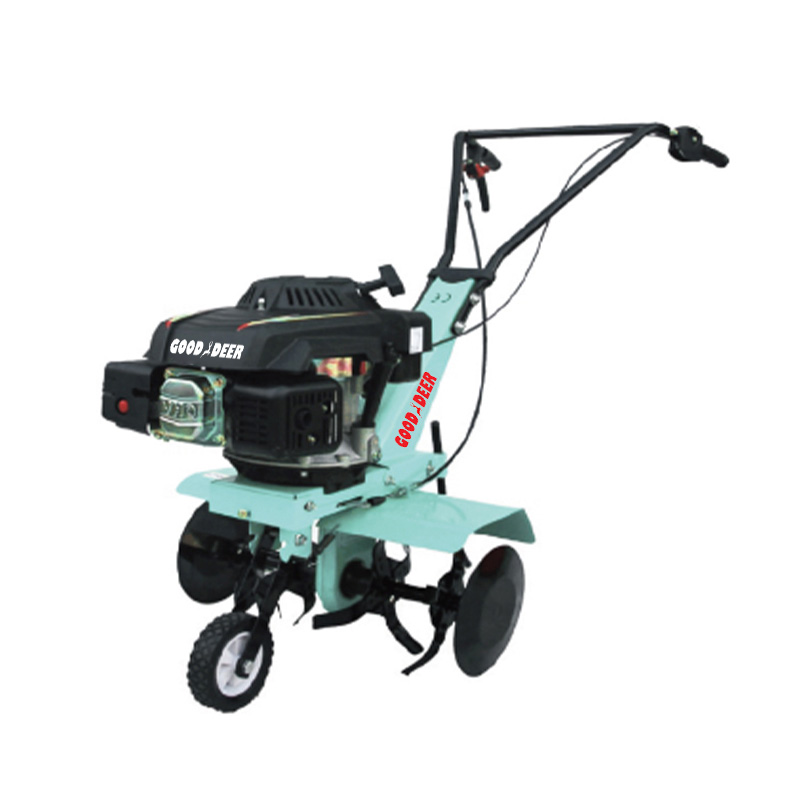
"Quitanieves" y "quitanieves" se utilizan a menudo como lo mismo, pero técnicamente se refieren a máquinas diferentes: un quitanieves suele ser una máquina de una sola etapa que utiliza una barrena giratoria para recoger y arrojar nieve, mientras que un quitanieves suele ser una máquina de dos etapas que utiliza una barrena para recoger la nieve y un impulsor separado de alta velocidad para arrojarla mucho más lejos. . un quitanieves tipo cinturón Es una unidad de una sola etapa donde una correa trapezoidal de goma, en lugar de un engranaje o una cadena, transfiere potencia del motor al sinfín, lo que la convierte en la opción más liviana, asequible y fácil de reparar de los dos diseños de transmisión comunes. A continuación, desglosamos exactamente en qué se diferencian estas máquinas, qué significa una transmisión por correa en la práctica y cómo elegir la adecuada para su nevada y su camino de entrada.
Lanzador de nieve versus soplador de nieve: la diferencia principal
Los dos términos se usan indistintamente en una conversación informal, pero la distinción se reduce a cuántas etapas mecánicas separadas utiliza la máquina para mover la nieve.
Quitanieves (de una sola etapa)
Un quitanieves de una sola etapa utiliza una barrena giratoria (generalmente paletas de goma o plástico) que realiza dos trabajos a la vez: recoge la nieve del suelo y la arroja inmediatamente a través del conducto de descarga. Debido a que una sola parte se encarga de ambas tareas, Estas máquinas arrojan nieve aproximadamente entre 15 y 25 pies. y funciona mejor en superficies planas y pavimentadas, como entradas de vehículos y aceras, ya que la barrena toca el suelo directamente y llega hasta el pavimento.
Quitanieves (de dos etapas)
Un quitanieves de dos etapas divide el trabajo a la mitad. Una barrena de metal pesado se rompe y tira la nieve primero, luego la pasa a un impulsor accionado por separado que la lanza por el conducto. Esta segunda etapa añade fuerza de lanzamiento real. Muchos modelos de dos etapas pueden arrojar nieve hasta 50 pies — y como la barrena no necesita raspar el suelo, estas máquinas manejan grava y superficies irregulares sin recoger piedras sueltas.
Comparación de capacidades lado a lado
La elección entre los dos generalmente se reduce a la cantidad de nieve que cae regularmente y la superficie que está limpiando. La siguiente tabla alinea las especificaciones prácticas informadas por los principales fabricantes y guías de compra.
| Especificación | Lanzador de nieve (de una sola etapa) | Soplador de nieve (dos etapas) |
|---|---|---|
| Profundidad de nieve recomendada | Hasta 8 a 10 pulgadas | 12 pulgadas o más |
| Distancia de lanzamiento | 15 a 25 pies | Hasta 50 pies |
| Ancho de limpieza | Alrededor de 20 a 25 pulgadas | Hasta 60 pulgadas |
| Mejor superficie | Sólo superficies lisas y pavimentadas | Terreno pavimentado, grava y irregular. |
| Autopropulsado | Por lo general no | Generalmente si |
Si ve regularmente de 3 a 9 pulgadas de nieve seca y ligera en un camino pavimentado, una máquina quitanieves de una sola etapa suele ser toda la máquina que necesita. Una vez que las nevadas exceden regularmente las 10 pulgadas, o si su camino de entrada es de grava o está inclinado, un quitanieves de dos etapas es la opción más segura y efectiva. — una barrena de una sola etapa que toca grava desnuda corre el riesgo de arrojar piedras junto con la nieve.
¿Qué hace que un lanzador de nieve sea "tipo cinturón"?
Más allá de la cuestión de una etapa frente a dos etapas, los quitanieves también difieren en la forma en que el motor envía potencia a la barrena. A esto se refiere el "tipo cinturón".
en un quitanieves tipo cinturón, a rubber V-belt connects a pulley on the engine to a pulley on the auger shaft , transfiriendo potencia de rotación a través de la fricción en lugar de a través de dientes de engranajes entrelazados o una cadena y ruedas dentadas. En realidad, muchos modelos utilizan dos correas separadas en la misma máquina: una correa dentada más gruesa para las ruedas motrices en unidades autopropulsadas y una correa en V más delgada dedicada a hacer girar la barrena.
Los diseños alternativos que verá en los listados de productos son:
- Transmisión por engranajes (engranaje helicoidal) — la potencia pasa a través de una caja de cambios sellada, a menudo lubricada con aceite, que ofrece un par elevado y un control preciso
- transmisión por cadena — una cadena de metal y ruedas dentadas conectan la salida de la caja de cambios al sinfín, común en unidades de servicio más pesado y de calidad comercial
Los sistemas tipo correa son la configuración más común en los quitanieves de una sola etapa para el consumidor, en gran parte porque son más simples y más baratos de fabricar que una caja de cambios sellada o un conjunto de cadena.
Tipo de correa versus tipo de engranaje: compensaciones que debe conocer antes de comprar
Ningún tipo de unidad es universalmente "mejor"; cada uno se compensa de manera diferente en cuanto a costo, mantenimiento y durabilidad a largo plazo.
- Costo inicial más bajo — las correas y poleas son significativamente más baratas de fabricar que una caja de cambios mecanizada, lo que se refleja en el precio más bajo de la mayoría de los lanzadores accionados por correas.
- Mantenimiento sencillo y sin necesidad de herramientas — una correa trapezoidal desgastada es un cambio sencillo que la mayoría de los propietarios pueden realizar ellos mismos, sin necesidad de reparar una caja de cambios sellada y lubricada
- Protección contra sobrecarga incorporada — debido a que una correa puede deslizarse sobre su polea en caso de un atasco repentino, puede actuar como un fusible mecánico que protege el motor y el eje de la barrena de una parada brusca y repentina.
- Vida útil más corta bajo uso intensivo — las correas se desgastan, se estiran y pueden deslizarse cuando están mojadas o heladas, por lo que normalmente es necesario reemplazarlas con más frecuencia que un sistema de engranajes o cadenas, especialmente en máquinas utilizadas durante temporadas largas y exigentes.
En comparación, las unidades de transmisión por engranajes y por cadena generalmente cuestan más por adelantado y requieren revisiones periódicas del aceite de la caja de cambios, pero aguantan más tiempo en un uso intensivo sostenido y no pierden potencia por el deslizamiento de la correa en condiciones húmedas o heladas. Para un propietario que limpia un camino de entrada varias veces por temporada, esa mayor durabilidad suele ser innecesaria; para alguien que utiliza una máquina diariamente en una propiedad comercial, el costo adicional puede valer la pena.
Cómo mantener funcionando bien un lanzador de nieve tipo cinturón
Debido a que el cinturón es el componente que más probablemente necesite atención, un poco de cuidado de rutina ayuda mucho a evitar una avería en mitad de una tormenta.
- Verifique la tensión de la correa al comienzo de la temporada; la mayoría de los fabricantes especifican aproximadamente 1/4 a 3/8 de pulgada de desviación cuando se presiona la correa en su punto medio, lo que minimiza el deslizamiento sin sobrecargar las poleas.
- Inspeccione el cinturón en busca de grietas, vidriado o deshilachado antes de la primera nevada de la temporada, ya que un cinturón que se ve bien en octubre puede fallar con la primera tormenta fuerte de enero.
- Mantenga la cubierta de la correa puesta y libre de polvo de goma acumulado, lo que puede indicar exceso de fricción o que la correa debe ser reemplazada.
- Elija una correa reforzada, como una correa en V dentada o reforzada con Kevlar, como reemplazo, ya que tienden a flexionarse más eficientemente alrededor de poleas pequeñas y resisten mejor el deslizamiento que una correa de goma simple.
- Tenga a mano un cinturón de repuesto una vez que su unidad tenga algunas temporadas, ya que los cinturones son económicos, pero una tormenta de nieve es el peor momento para descubrir que necesita uno.
Seguir esta rutina normalmente permite que un cinturón en buen estado dure una temporada completa o más, y cambiarlo suele ser un proyecto que se mide en minutos en lugar de horas.
¿Cuál deberías comprar?
Combinando las decisiones de puesta en escena y de tipo de conducción, aquí se explica cómo adaptar una máquina a su situación.
- Nevadas ligeras y secas de menos de 8 a 9 pulgadas en un camino o sendero pavimentado → a quitanieves de una sola etapa tipo correa es liviano, asequible y fácil de maniobrar y almacenar
- Nevadas intensas o húmedas regulares de más de 10 pulgadas → a quitanieves de dos etapas Se limpia más rápido y arroja nieve mucho más lejos del área de trabajo.
- Caminos de grava o terrenos irregulares e inclinados → a máquina de dos etapas , ya que su barrena no raspa el suelo y no recoge piedras sueltas
- Uso diario o comercial → a unidad de transmisión por engranajes o cadena Vale la pena el costo adicional por su vida útil más larga bajo carga sostenida.
No existe una única "mejor" máquina: la elección correcta es simplemente la que se adapta a la cantidad de nieve que realmente cae, la superficie que está limpiando y la frecuencia con la que la utilizará cada invierno.